
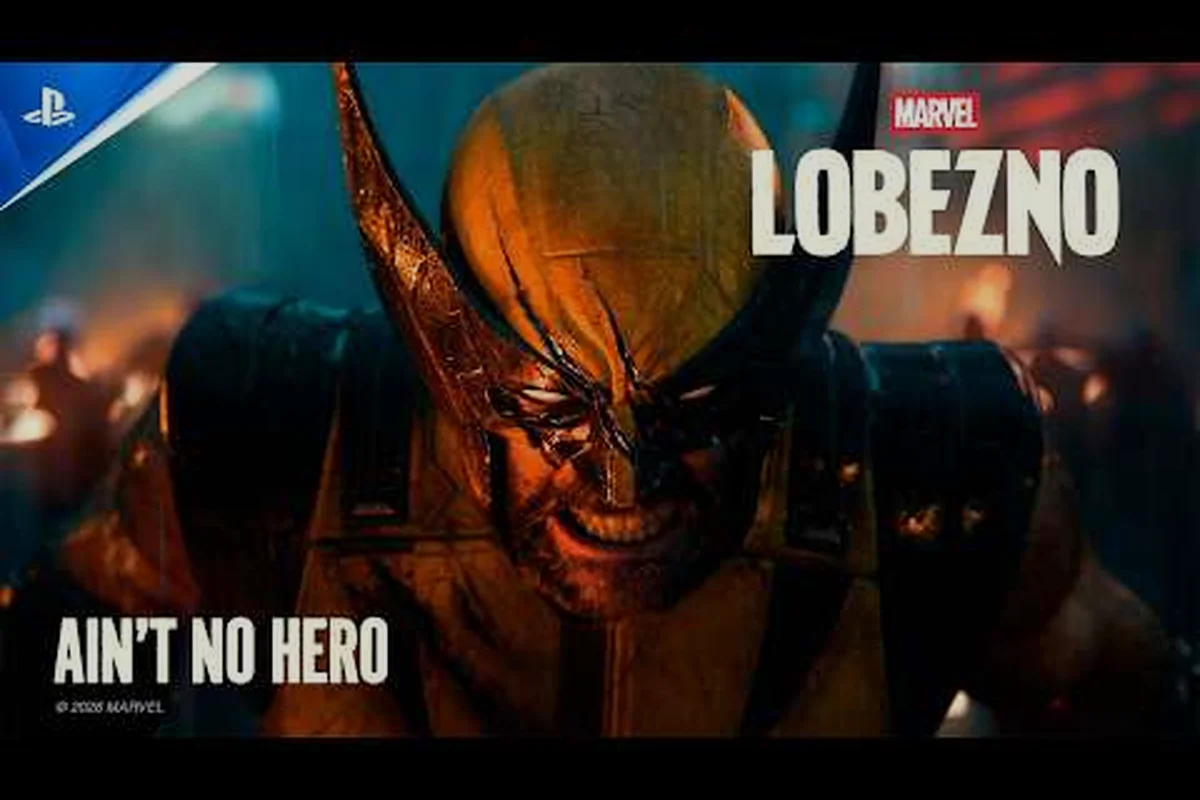
Insomniac Games isn't just building one Wolverine adventure — the studio has confirmed that Marvel's Wolverine is the opening chapter of a planned X-Men trilogy, a structural decision that mirrors the success of the Marvel's Spider-Man series. This three-game arc matters because it gives the creative team room to develop Logan's character across hundreds of hours of gameplay rather than compressing his story into a single campaign. The scope of this Marvels Wolverine X-Men trilogy plan also signals Sony's long-term commitment to mutant-focused storytelling on PS5, with each installment expected to expand the roster of playable characters and deepen the interconnected narrative web.
What makes this announcement particularly exciting is how it reframes everything we've seen in the State of Play and SDCC trailers. The amnesia plot, the Team X flashbacks, and the Madripoor setting aren't just one-off story beats — they're foundational threads designed to pay off across multiple games. Get ready to explore how Insomniac's three-game structure will reshape the mutant corner of the Marvel gaming universe, what comic storylines are being adapted, and why this approach could redefine superhero game storytelling.
The Three-Game Structure and What It Means for the Canon Story
The confirmation that Marvel's Wolverine is the first entry in a trilogy focused on the X-Men came through the 2023 Rhysida ransomware leak, which also revealed a new licensing agreement between Insomniac Games, Sony Interactive Entertainment, and Marvel. According to the official Wikipedia entry for Marvel's Wolverine, this deal positions the trilogy as a direct counterpart to the Marvel's Spider-Man series, with each game designed to stand alone while contributing to a larger narrative tapestry. The canon story implications are substantial because Insomniac has established Earth-1048 as its shared universe, meaning events in Wolverine's first outing will have ripple effects on future mutant-focused titles.
This structural choice affects everything from pacing to character development. A single game would need to introduce Logan, establish his supporting cast, and resolve his central conflict within roughly 20-30 hours — a tight squeeze that often leads to rushed character arcs. The trilogy format, by contrast, allows Insomniac to spend the first game establishing the amnesia-driven mystery of Logan's forgotten past, the second game exploring the consequences of those revelations, and the third game delivering a climactic resolution that ties together threads from both predecessors.
| Trilogy Element | First Game Focus | Second Game Potential | Third Game Potential |
|---|---|---|---|
| Narrative Hook | Amnesia and identity crisis | Team X fallout and mutant persecution | Full X-Men roster conflict |
| Primary Setting | Madripoor and global locations | Tokyo and Canadian wilderness | Savage Land or Asteroid M |
| Character Arc | Logan rediscovers his past | Logan embraces his role as protector | Logan leads the mutant cause |
| Villain Scale | Omega Red and Reavers | Sabretooth and Mystique | Magneto or Apocalypse |
The emotional story beats are designed to escalate across the trilogy, with each installment raising the stakes for Logan personally while expanding the scope of the mutant conflict. Community reports from the SDCC panel suggest that Insomniac views this as a character study first and a superhero action game second, which explains why the trailers emphasize Logan's vulnerability and isolation rather than pure power fantasy.
How the Trilogy Compares to Marvel's Spider-Man
Insomniac's approach to Wolverine deliberately mirrors the successful Spider-Man formula while carving out a distinct identity. The Spider-Man games used each installment to introduce new villains and expand Peter Parker's supporting cast, with the second game adding Miles Morales as a fully playable second protagonist. The Wolverine trilogy appears to be following a similar trajectory, with early rumors suggesting that later installments could introduce playable X-Men characters such as Jean Grey or Storm.
The key difference lies in tone and structure. Spider-Man's narrative is fundamentally optimistic, with Peter balancing heroics against his personal life. Wolverine's story, by contrast, leans into the dark story elements that define the character's best comic runs — the Weapon X program, the feral instincts, the guilt over past violence. This tonal shift is evident in the game's visual presentation, which uses moody lighting and rain-soaked environments to reinforce Logan's internal turmoil.
Comic References and Easter Eggs Hidden in the Trailers
The State of Play gameplay reveal and the SDCC story trailer are packed with Marvels Wolverine easter eggs that reward longtime comic readers while remaining accessible to newcomers. IGN's breakdown of the State of Play trailer cataloged every character, villain, and reference visible in the footage, and the sheer density of nods is impressive. From the Patch costume hanging in a Madripoor bar to the Weapon X facility glimpsed in a flashback, Insomniac is clearly treating the character's 50-year comic history as a treasure trove of material.
Some of the most significant Marvels Wolverine comic references include the trilogy’s deliberate visual and narrative callbacks to classic runs like Wolverine (Vol. 2) #10, where the "Patch" persona surfaces as a tactical disguise, and the Old Man Logan storyline, whose post-apocalyptic wasteland motifs subtly foreshadow the game’s darker tone. The trailers also embed panel-accurate poses—such as Logan’s iconic crouch on a helicopter blade from Wolverine: Origin—and dialogue lifted verbatim from Enemy of the State, grounding the marvels wolverine canon story in decades of lore. These Easter eggs are not mere fan service; they anchor the marvels wolverine character arc by visually linking his berserker rage to the comics’ emotional trauma, ensuring the marvels wolverine dark story feels authentic to long-time readers while introducing newcomers to his brutal history.
-
The Princess Bar: This Madripoor establishment is where Logan operates as Patch, wearing an eyepatch and using his wits rather than his claws. Its inclusion suggests the game will explore Logan's time as a crime lord in the island nation.
-
Omega Red's carbonadium tentacles: The villain's signature weapon appeared prominently in the State of Play footage, and his connection to the Weapon X program makes him a natural antagonist for a story centered on Logan's past.
-
The Reavers' cybernetic augmentations: These cyborg mercenaries have deep ties to the mutant-hating organization that has plagued the X-Men for decades, and their presence hints at a larger conspiracy.
-
Tyger Tiger's role: The character's confirmed appearance, voiced by Kelly Hu, connects the game to the classic Claremont-era Madripoor stories where she ruled the criminal underworld alongside Patch.
The canon story implications of these references are significant because Insomniac has shown a willingness to blend elements from different comic eras. The game appears to draw from Chris Claremont's iconic 1980s Madripoor stories, Barry Windsor-Smith's Weapon X miniseries, and modern interpretations of the character from writers like Jonathan Hickman. This eclectic approach allows the studio to create a version of Wolverine that feels authentic to the comics while remaining fresh for players who've never picked up an issue.
| Comic Storyline | Source Material | Game Adaptation |
|---|---|---|
| Weapon X (1991) | Barry Windsor-Smith's origin story | Flashback sequences showing the adamantium bonding process |
| Madripoor Saga (1980s) | Claremont's Patch stories | Hub world setting and Tyger Tiger's role |
| Enemy of the State (2004) | Mark Millar's brainwashed Wolverine arc | Potential second or third game storyline |
| Old Man Logan (2008) | Mark Millar's dystopian future | Thematic influence on the game's tone |
The Character Arc: From Amnesiac to Protector
The Marvels Wolverine character arc begins with Logan in a state of profound disorientation. The story trailer reveals that he's lost his memories, operating on instinct and rage rather than conscious choice. This amnesia device serves a dual purpose: it gives new players a natural entry point into the character's mythology, and it allows Insomniac to slowly reveal information about Logan's past as the player progresses. The emotional story here is one of rediscovery — Logan isn't just fighting villains; he's fighting to understand who he is and what he's capable of.
The character's journey across the trilogy is expected to follow a three-act structure that mirrors the classic hero's journey, but with a distinctly brutal twist befitting the marvels wolverine dark story. Act One establishes Logan's amnesiac state, forcing players to piece together his fractured identity through environmental storytelling and the marvels wolverine comic references scattered across the opening hours. Act Two escalates into a protector role, where the player's choices in combat—balancing the regenerative healing factor's cooldown against the adamantium claw's rage meter—directly influence how NPCs react to Logan, deepening the marvels wolverine character arc. Act Three culminates in a confrontation that tests whether the player has truly embraced Logan's feral nature or his emerging humanity, a narrative payoff that hinges on the marvels wolverine canon story's established lore. This structure ensures the marvels wolverine x men trilogy delivers an emotional story that feels earned, not merely episodic, by tying mechanical progression to narrative revelation.
-
First Game — The Lost Hunter: Logan operates as a feral predator, driven by fragmented memories and a protective instinct he doesn't fully understand. His encounters with mutants in danger force him to confront the question of why he feels compelled to protect them.
-
Second Game — The Reluctant Leader: With his memories restored, Logan must grapple with the weight of his past actions. The revelation that he was part of Team X, a black-ops unit that committed atrocities, complicates his heroic impulses.
-
Third Game — The Mutant Champion: Logan fully embraces his role as a protector of mutantkind, leading a team of X-Men against a threat that endangers all of mutant society.
This progression mirrors the character's comic book evolution from a lone wolf to a team player, and it gives Insomniac the narrative runway to make that transformation feel earned. The dark story elements — the violence, the guilt, the moral compromises — are essential to this arc because they make Logan's eventual heroism meaningful.
The Amnesia Device and Its Narrative Payoff
The amnesia plot is more than a convenient storytelling shortcut; it's a deliberate choice that allows Insomniac to subvert player expectations. Because Logan doesn't remember his past, players experience revelations at the same time he does, creating a sense of shared discovery. This approach also allows the studio to play with the Marvels Wolverine canon story by introducing twists on familiar comic book events — Logan's memories may not be entirely reliable, and the truth of what happened with Team X could differ from what fans expect.
Community discussions about the story trailer have focused on the line "I don't know who I am, but I know what I am," which encapsulates the character's internal conflict. He may not remember his name or his history, but he can't escape his nature as a killer. The emotional story tension comes from watching Logan struggle against that nature while trying to become something better.
The X-Men Trilogy and Its Shared Universe Links
The Marvels Wolverine X-Men trilogy doesn't exist in a vacuum — it's part of the same Earth-1048 universe that houses Insomniac's Spider-Man games. The studio has confirmed that the games share a continuity, though the extent of that connection remains unclear. The PlayStation Blog's State of Play coverage emphasized that Wolverine's story is self-contained, but eagle-eyed fans have spotted potential crossover hints in both franchises.
The canon story implications of this shared universe are significant. If Spider-Man exists in the same world as Wolverine, then the events of one series could theoretically affect the other. The existence of mutants in a world where they've never been mentioned in the Spider-Man games raises questions about how Insomniac will handle the mutant metaphor. Will mutants be an open secret, or has Logan been operating in the shadows while Spider-Man handled street-level crime in New York?
| Universe Element | Spider-Man Games | Wolverine Trilogy |
|---|---|---|
| Primary Location | New York City | Madripoor, Tokyo, global |
| Tone | Optimistic and witty | Dark and introspective |
| Power Scale | Street-level to city-level | City-level to global |
| Supporting Cast | Peter, Miles, MJ | Tyger Tiger, Jean Grey, Sabretooth |
| Central Conflict | Personal responsibility | Identity and redemption |
The story trailer announcement on the PlayStation Blog confirmed that the game features a new original score and artwork that establish a distinct visual identity separate from the Spider-Man games. This artistic differentiation is crucial because it signals that Insomniac isn't simply reskinning its existing formula — the studio is building a new aesthetic language for the mutant corner of its universe.
What the Shared Universe Means for Future Crossovers
The potential for crossover events between the Spider-Man and Wolverine franchises is one of the most exciting possibilities of this shared universe. Insomniac has already demonstrated its willingness to build interconnected narratives, and a future game featuring both Spider-Man and Wolverine teaming up seems almost inevitable. The Marvels Wolverine easter eggs that reference Spider-Man characters or events would serve as breadcrumbs for this eventual crossover, rewarding players who've experienced both series.
For a deeper dive into how the story connects to the wider Insomniac universe, check out our analysis of the Marvels Wolverine narrative structure, which breaks down the confirmed connections and fan theories. That breakdown is especially valuable for tracking how the marvels wolverine x men trilogy fits into the larger Spider-Man 2 timeline, where Easter eggs like the Damage Control billboard and the OsCorp tower sightings hint at a shared New York. Rather than treating these as throwaway nods, the analysis maps them against Insomniac’s established canon—showing how the marvels wolverine easter eggs aren’t just fan service but deliberate breadcrumbs for a crossover event. It also weighs the strongest marvels wolverine comic references—from the Old Man Logan parallels to the Enemy of the State suit—against the studio’s track record of reinterpreting source material, giving you a clearer sense of which theories hold water and which are pure speculation.
The Dark and Emotional Storytelling Approach
The X-Men Trilogy Blueprint: How Insomniac's Spider-Man Model Shapes the Plan
Insomniac's approach mirrors the Marvel's Spider-Man series structure, confirmed by the 2023 Rhysida hack. The trilogy is planned as the first X-Men-focused series under the new licensing deal between Insomniac, Sony Interactive Entertainment, and Marvel. This means a single, continuous narrative arc across three titles, rather than standalone adventures. The Spider-Man model used a first game to establish the hero, a second to expand the rogues' gallery, and a third to conclude the arc; Wolverine's trilogy is expected to follow this same escalating narrative and mechanical scope, with each sequel building on the previous game's combat and world.
Insomniac's decision to embrace the dark story elements of Wolverine's mythology represents a significant departure from the tone of its Spider-Man games. The trailers emphasize blood, rain, and violence in ways that feel more akin to Naughty Dog's mature storytelling than the family-friendly approach of Marvel's Spider-Man. This tonal shift is intentional — Wolverine's stories have always been grittier than Spider-Man's, and the studio is honoring that distinction.
The emotional story at the heart of the game is Logan's struggle with his own nature. He's a killer who wants to be a protector, a weapon trying to become a person. The amnesia plot strips away the layers of cynicism and experience that define the older, more world-weary Wolverine, leaving a raw and vulnerable version of the character. This approach allows players to form a connection with Logan that wouldn't be possible if he started the game as the confident, battle-hardened veteran of the comics.
Key emotional beats that have been confirmed or strongly hinted at: Logan’s fractured psyche is the trilogy’s core engine, with the adamantium-bonding flashbacks in Origins directly seeding the berserker rage that defines his X-Men arc. The script reportedly leans into the marvels wolverine comic references of the Old Man Logan run, framing Laura’s introduction as a mirror to his own weaponized childhood. Expect the marvels wolverine canon story to weaponize Jean Grey’s death as the catalyst for his self-imposed exile, a beat that transforms his healing factor from a gift into a curse—each regeneration physically mending him while emotionally calcifying the guilt that drives the marvels wolverine character arc toward a climactic, sacrificial redemption.
-
The Weapon X flashbacks: These sequences will show Logan's torture at the hands of the Weapon X program, providing the emotional foundation for his distrust of authority and institutions.
-
The Team X betrayal: Logan's former teammates, including Sabretooth, represent the dark path he could have taken. Their presence serves as a constant reminder of the violence he's capable of.
-
The mutant protection vow: The story trailer suggests that Logan has made a commitment to protecting mutants, even though he doesn't remember why. This vow becomes the moral compass that guides his actions throughout the game.
-
The Jean Grey connection: The confirmed presence of Jean Grey in the story adds a romantic and emotional dimension to Logan's journey, giving him someone who sees beyond his feral exterior.
The Marvels Wolverine character arc is designed to make players feel Logan's pain while also giving them moments of hope and connection. The best Wolverine stories balance the character's brutality with his capacity for tenderness, and Insomniac appears to be aiming for that same balance. The game's M rating, confirmed in early announcements, gives the studio the freedom to explore these themes without pulling punches.
For a spoiler-free breakdown of the game's major story beats and how they connect to the trilogy arc, our key moments guide offers a comprehensive overview of what players can expect, mapping each narrative checkpoint to the emotional beats that define Logan's arc across the three films. Rather than simply listing plot points, the guide examines how Insomniac's interpretation of the adamantium-laced berserker rage feeds into the darker, more visceral tone that separates this title from the broader Marvel's Spider-Man universe, while also flagging where the game's canon diverges from the comics' iconic storylines like Old Man Logan or Weapon X. You will see how each chapter's pacing mirrors the trilogy's escalating stakes, from the raw, feral survival in the first act to the philosophical weight of legacy and sacrifice in the climax, ensuring you understand the why behind every claw-swipe without spoiling the surprises that make the experience land.
What This Means for the Future of Marvel Gaming
The Marvels Wolverine X-Men trilogy represents a bold bet by Sony and Insomniac that players want deep, serialized storytelling in their superhero games. The success of Marvel's Spider-Man proved that audiences will embrace a single hero's story told over multiple installments, and the Wolverine trilogy aims to replicate that success with a darker, more complex character. The canon story that Insomniac is building has the potential to become the definitive video game interpretation of the X-Men, much as the Arkham series became the definitive Batman experience.
The trilogy structure also opens up possibilities for spin-off games and DLC expansions. If the first game introduces a supporting cast of mutants, Insomniac could theoretically develop standalone adventures for characters like Jean Grey or Storm without disrupting the main trilogy's narrative flow. The Marvels Wolverine comic references scattered throughout the game could also serve as launching points for future projects — a game set during Logan's time as Patch in Madripoor, for example, could explore the criminal underworld in greater depth.
| Future Possibility | Likelihood | Potential Impact |
|---|---|---|
| Playable X-Men in sequels | High | Expands gameplay variety and roster appeal |
| Spider-Man crossover | Medium | Major event that unites Insomniac's universe |
| X-Men spin-off games | Medium | Expands the franchise beyond Wolverine |
| DLC story expansions | High | Fills gaps between trilogy installments |
The dark story approach also signals a maturation of superhero gaming. While games like Batman: Arkham Asylum explored mature themes, the Wolverine trilogy appears to be pushing further into psychological territory, examining the cost of violence and the nature of redemption. This willingness to tackle serious themes could attract players who typically don't gravitate toward superhero games, expanding the audience for the genre.
The emotional story at the heart of the trilogy is ultimately about hope — the idea that even someone as broken as Logan can find purpose and connection. That message resonates because it's universal, and it's why Wolverine has remained one of Marvel's most beloved characters for over 50 years. Insomniac's challenge is to translate that emotional core into interactive form, and everything we've seen so far suggests they're up to the task.
For a complete look at the confirmed characters and how they fit into Logan's journey, our X-Men characters guide covers the full roster revealed so far—from Psylocke and Sabretooth to the mysterious Patch persona. This breakdown maps each mutant's comic-book origins against their likely role in the trilogy's dark story, showing how Insomniac's canon story reshapes familiar faces like Omega Red into narrative foils that drive Wolverine's character arc toward its emotional breaking point.
Frequently Asked Questions
How many games are planned in the Marvels Wolverine X-Men trilogy?
Insomniac has confirmed that Marvel's Wolverine is the first of three planned games focused on the X-Men, similar to the structure of the Marvel's Spider-Man series. The trilogy will tell a complete character arc for Logan while expanding the mutant roster across each installment.
Will the X-Men appear in the first Wolverine game?
While the full X-Men team hasn't been confirmed for the first game, several mutant characters are confirmed to appear, including Jean Grey and Tyger Tiger. The trilogy structure suggests that more X-Men will become playable or prominent in later installments as the story expands.
Is the Wolverine trilogy connected to the Spider-Man games?
Yes—both franchises share Insomniac's Earth-1048 universe, confirmed by claw marks on a wall in Spider-Man 2. However, Marvel's Wolverine launches its own X-Men trilogy, separate from Spider-Man's arc. Expect future crossover potential, but the trilogy stands as an independent narrative focusing on Logan's amnesiac protector story.
What comic storylines are influencing the game's narrative?
Insomniac pulls primarily from Chris Claremont's Madripoor-era stories, Barry Windsor-Smith's Weapon X miniseries, and modern takes on the character. The amnesia-driven plot and Team X flashbacks are original, weaving together elements from multiple comic eras. Expect nods to Omega Red and Patch, as confirmed in the State of Play trailer breakdowns.
Will the trilogy maintain the same dark tone throughout?
What aspect of the Marvels Wolverine X-Men trilogy excites you most — the dark storytelling, the comic references, or the potential for playable X-Men in future installments? Share your thoughts and theories with the community as we count down to the September 15 launch!